

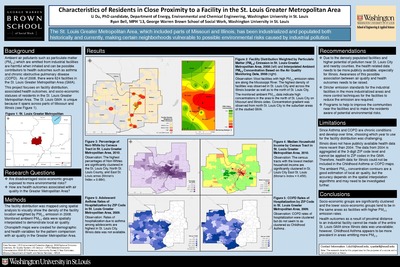
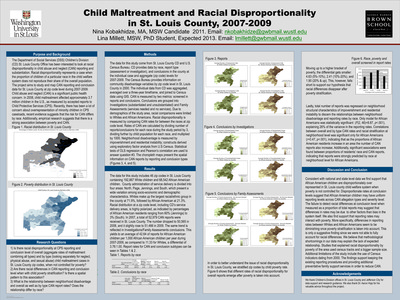
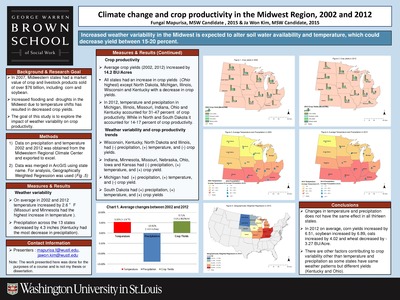
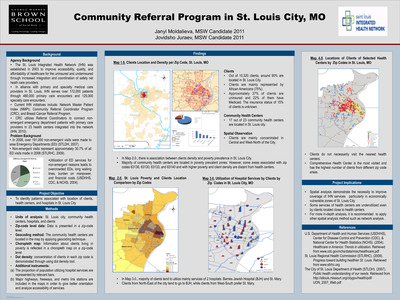
Course description: This course will familiarize students with the basic knowledge of geographic information systems (GIS) and their application to social work practice and research. The course is organized around three primary areas: 1) conceptual; 2) technical; and 3) data management. A conceptual overview of GIS is presented to provide students with foundational knowledge about the theory, purpose, function, and applicability of GIS in practice and research settings. Students will develop critical thinking skills necessary to devise research questions appropriate for a GIS, to develop a GIS, interpret the findings, and to evaluate the spatial relationships between variables.

























-
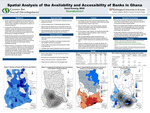
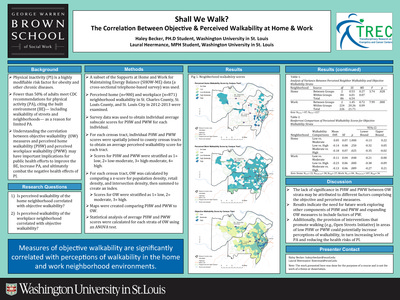
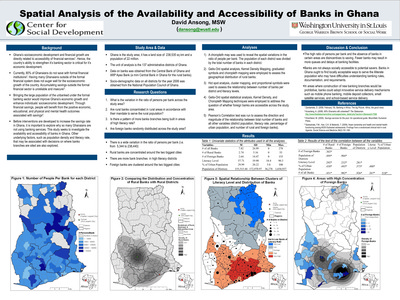
Spatial Analysis of the Availability and Accessibility of Banks in Ghana
David Ansong
12-12-2014Ghana’s socioeconomic development and financial growth are directly related to accessibility of financial services. Hence, the country’s ability to strengthen it’s banking sector is critical for it’s economic development. Currently, 80% of Ghanaians do not save with formal financial institutions. Having many Ghanaians outside of the formal financial system does not auger well for the socioeconomic growth of the country. Accumulating savings outside the formal financial sector is unreliable and insecure. Bringing the large population of the unbanked under the formal banking sector would improve Ghana’s economic growth and enhance individuals’ socioeconomic development. This study seeks to investigate the availability and accessibility of banks in Ghana. Other underlying factors, such as population density and literacy rate, that may be associated with decisions on where banks branches are sited are also explored.
-
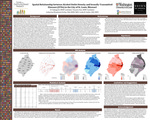
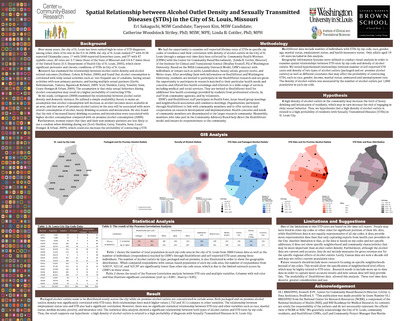
Spatial Relationship between Alcohol Outlet Density and Sexually Transmitted Diseases (STDs) in the City of St. Louis, Missouri
Eri Sakaguchi, Taeyoon Kim, Catherine Woodstock Striley, and Linda B. Cottler
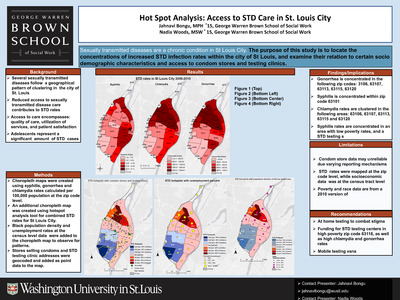
12-12-2014Over many years, the city of St. Louis has been ranked high in rates of STD diagnoses among other cities of its size in the U.S. In 2004, the city of St. Louis ranked 2nd with 4130 reported Chlamydia cases, 1st with 2440 reported Gonorrhea cases, and 5th with 47 syphilis cases. All rates are 3-7 times those of the State of Missouri and 3.4-6.7 times those of the United States (U.S. Department of Health City of St. Louis, 2005), which show significant pervasive and chronic conditions of STDs in City of St. Louis. A high density of alcohol outlets in the community may increase the level of heavy drinking and intoxication of residents, which may in turn increase the risk of engaging in risky sexual behavior. This project examines whether high density of alcohol outlets is related to a high probability of residents with Sexually Transmitted Diseases (STDs) in St. Louis City.
-
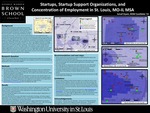
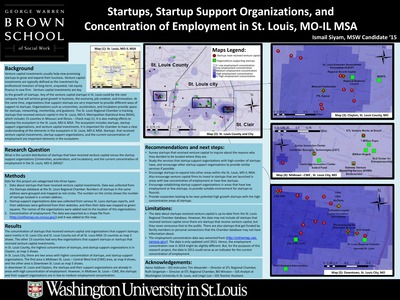
Startups, Startup Support Organizations, and Concentration of Employment in St. Louis, MO-IL MSA
Ismail Siyam
12-9-2014Venture capital investments usually help new promising startups to grow and expand their business. Venture capital investments are typically defined as the investment by professional investors of long-term, unquoted, risk equity finance in new firm. Venture capital investments are key to the growth of startups. Any of the venture capital startups in St. Louis could be the next company that will achieve great growth in business, the economy, job creation, and innovation. At the same time, organizations that support startups are very important to provide different ways of support to startups. Organizations such as universities, accelerators, and incubators provide space for startups, networking, mentorship, and guidance. The St. Louis Regional Chamber is tracking startups that received venture capital in the St. Louis, MO-IL Metropolitan Statistical Area (MSA), which includes 15 counties in Missouri and Illinois. This project explores the current distribution of startups that have received venture capital versus the startup support organizations (Universities, accelerators, and incubators), and the current concentration of employment in the St. Louis, MO-IL (MSA).
-
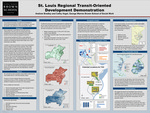
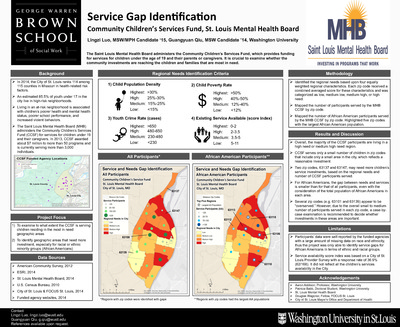
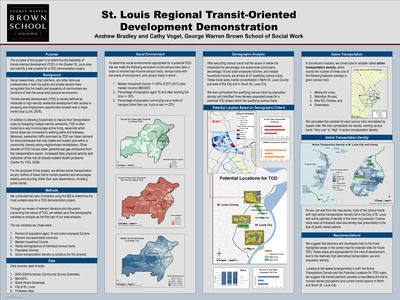
St. Louis Regional Transit-Oriented Development Demonstration
Andrew Bradley and Cathy Vogel
12-12-2014The purpose of this project is to determine the feasibility of transit-oriented development (TOD) in the Greater St. Louis area and identify a site suitable for a TOD demonstration project.
-
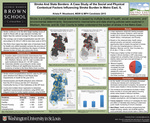
Stroke And State Borders: A Case Study of the Social and Physical Contextual Factors Influencing Stroke Burden in Metro East, IL
Krista P. Woodward
12-9-2014Stroke is a multifaceted medical event that is caused by multiple levels of health, social, economic, and environmental determinants. This project examines socioeconomic mechanisms and data sharing policies were explored in Madison, Monroe, and St. Clair County to better understand the burden of stroke in the Metro East. The research aims to examine which socioeconomic determinants that significantly predict the likelihood that stroke patients from Madison, Monroe, and St. Clair Counties will seek treatment in Illinois (N = 67 ZIP codes) and ti determine whether accounting for stroke cases treated in Missouri will significantly increase the incidence of stroke in the three Metro East counties.
-
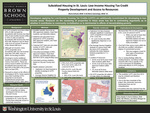
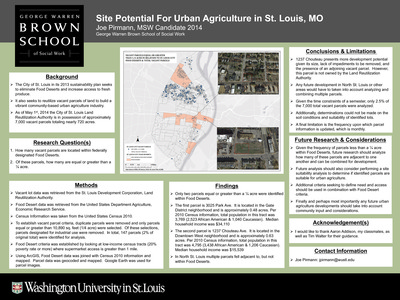
Subsidized Housing in St. Louis: Low-Income Housing Tax Credit Property Development and Access to Resources
Maria Estlund and Maria Samaniego
6-30-2014This project seeks to determine if, and to what extent, LIHTC properties are being developed in QCTs in St. Louis City and County and determine if tenants of LIHTC properties in St. Louis City and County have adequate access to community resources.
-
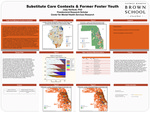
Substitute Care Contexts & Former Foster Youth
Judy Havlicek
12-12-2014This poster is part of a beginning effort to map the geography of movement for a sample of youth who reached the age of majority during foster placement. Although a handful of studies have attempted to view placement instability dynamically (Usher et al., 1999; James et al., 2004; Wulczyn et al., 2003; Havlicek, in press), there have been no attempts to capture the geographic landscape of placement changes over time. Moreover, surprisingly little empirical work has examined former foster youth in the context of their experiences in the child welfare system (Wulczyn, 2009). Much of what is known about foster youth comes from survey studies of foster youth making the transition to adulthood.
-
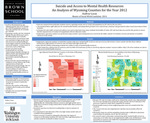
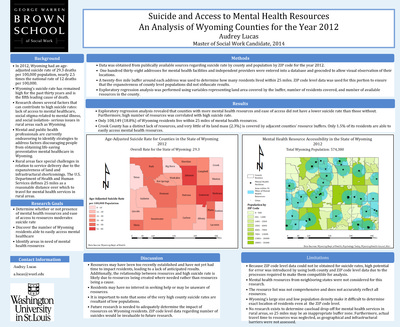
Suicide and Access to Mental Health Resources An Analysis of Wyoming Counties for the Year 2012
Audrey Lucas
6-30-2014This project aims to determine whether or not presence of mental health resources and ease of access to resources moderates suicide rate, discover the number of Wyoming residents able to easily access mental healthcare, and identify areas in need of mental health resources.
-
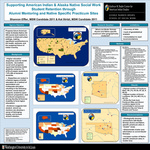
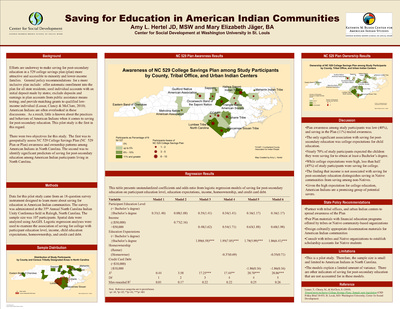
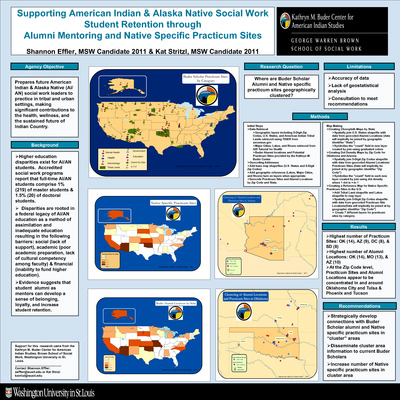
Supporting American Indian & Alaska Native Social Work Student Retention through Alumni Mentoring and Native Specific Practicum Sites
Shannon Effler and Kat Stritzl
12-12-2014This presentation asks where are Buder Scholar Alumni and Native specific practicum sites geographically clustered? These sites aim to prepare future American Indian & Alaska Native (AI/AN) social work leaders to practice in tribal and urban settings, making significant contributions to the health, wellness, and the sustained future of Indian Country.
-
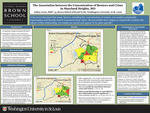
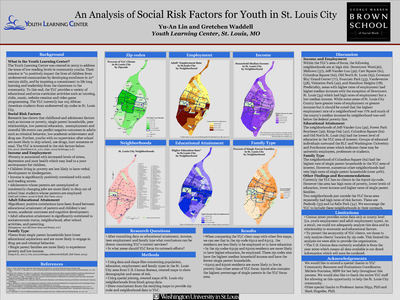
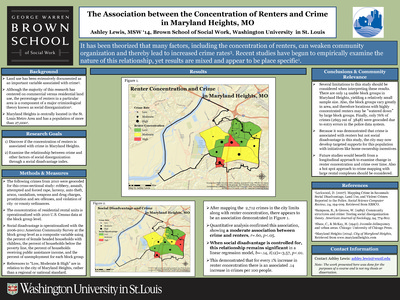
The Association between the Concentration of Renters and Crime in Maryland Heights, MO
Ashley Lewis
5-4-2014This project aims to discover if the concentration of renters is associated with crime in Maryland Heights and examine the relationship between crime and other factors of social disorganization through a social disadvantage index.
-
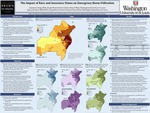
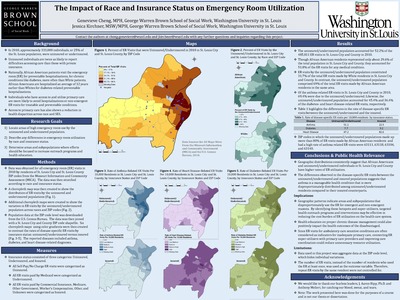
The Impact of Race and Insurance Status on Emergency Room Utilization
Genevieve Cheng and Jessica Kirchner
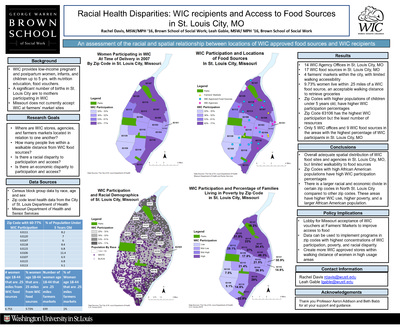
12-12-2014In 2010, approximately 333,000 individuals, or 25% of the St. Louis population, were uninsured or underinsured. Uninsured individuals are twice as likely to report difficulties accessing care than those with private insurance. Nationally, African American patients visit the emergency room (ER) for preventable hospitalizations, for chronic conditions like diabetes, more often than White patients. African Americans are hospitalized an average of 12 years earlier than Whites for diabetes-related preventable hospitalizations. Individuals who have access to and utilize primary care are more likely to avoid hospitalizations or non-emergent ER visits for treatable and preventable conditions. Access to primary care has also shown a reduction in health disparities across race and SES. This poster demonstrates that geographic distributions consistently suggest that African Americans and uninsured/underinsured individuals in St. Louis City and County have higher rates of ER utilization.
-
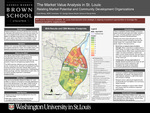
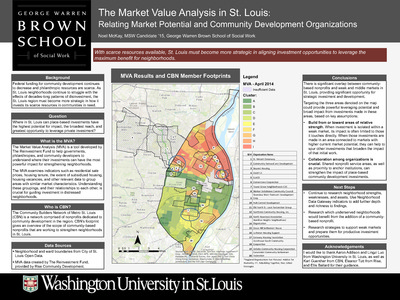
The Market Value Analysis in St. Louis: Relating Market Potential and Community Development Organizations
Noel McKay
12-9-2014With scarce resources available, St. Louis must become more strategic in aligning investment opportunities to leverage the maximum benefit for neighborhoods. This project asks where in St. Louis can place-based investments have the highest potential for impact, the broadest reach, and greatest opportunity to leverage private investment?
-
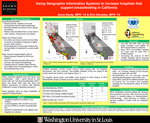
Using Geographic Information Systems to Increase Hospitals That Support Breastfeeding in California
Anna Hardy and Erin Hinckley
6-30-2014This project examines which maternity hospitals have the lowest “any breastfeeding” (ABF=given formula or only breast milk) and “exclusive breastfeeding” (EBF=given only breast milk) rates that serve the highest populations of mothers with MediCal (California’s version of Medicaid) insurance, noting that these hospitals serve as prime candidates to target BFHI dissemination.
-
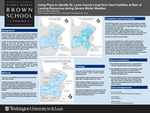
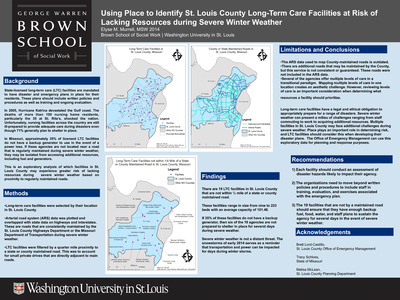
Using Place to Identify St. Louis County Long-Term Care Facilities at Risk of Lacking Resources during Severe Winter Weather
Elyse M. Murrell
12-9-2014State-licensed long-term care (LTC) facilities are mandated to have disaster and emergency plans in place for their residents. These plans should include written policies and procedures as well as training and ongoing evaluation. In 2005, Hurricane Katrina devastated the Gulf coast. The deaths of more than 100 nursing home residents, particularly the 35 at St. Rita’s, shocked the nation. Unfortunately, nursing facilities across the country are still ill-prepared to provide adequate care during disasters even though 71% generally plan to shelter in place. In Missouri, approximately 35% of licensed LTC facilities do not have a backup generator to use in the event of a power loss. If these agencies are not located near a road that is regularly maintained during severe winter weather, they may be isolated from accessing additional resources, including fuel and generators. This is an exploratory analysis of which facilities in St. Louis County may experience greater risk of lacking resources during severe winter weather based on proximity to regularly maintained roads.
-
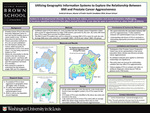
Utilizing Geographic Information Systems to Explore the Relationship Between BMI and Prostate Cancer Aggressiveness
Ambriah Brown
5-4-2014This project examines if a Pca is more aggressive in geographic areas with higher rates of obesity by utilizing trans diciplinary GIS tools in the analysis of epidemiological trends.